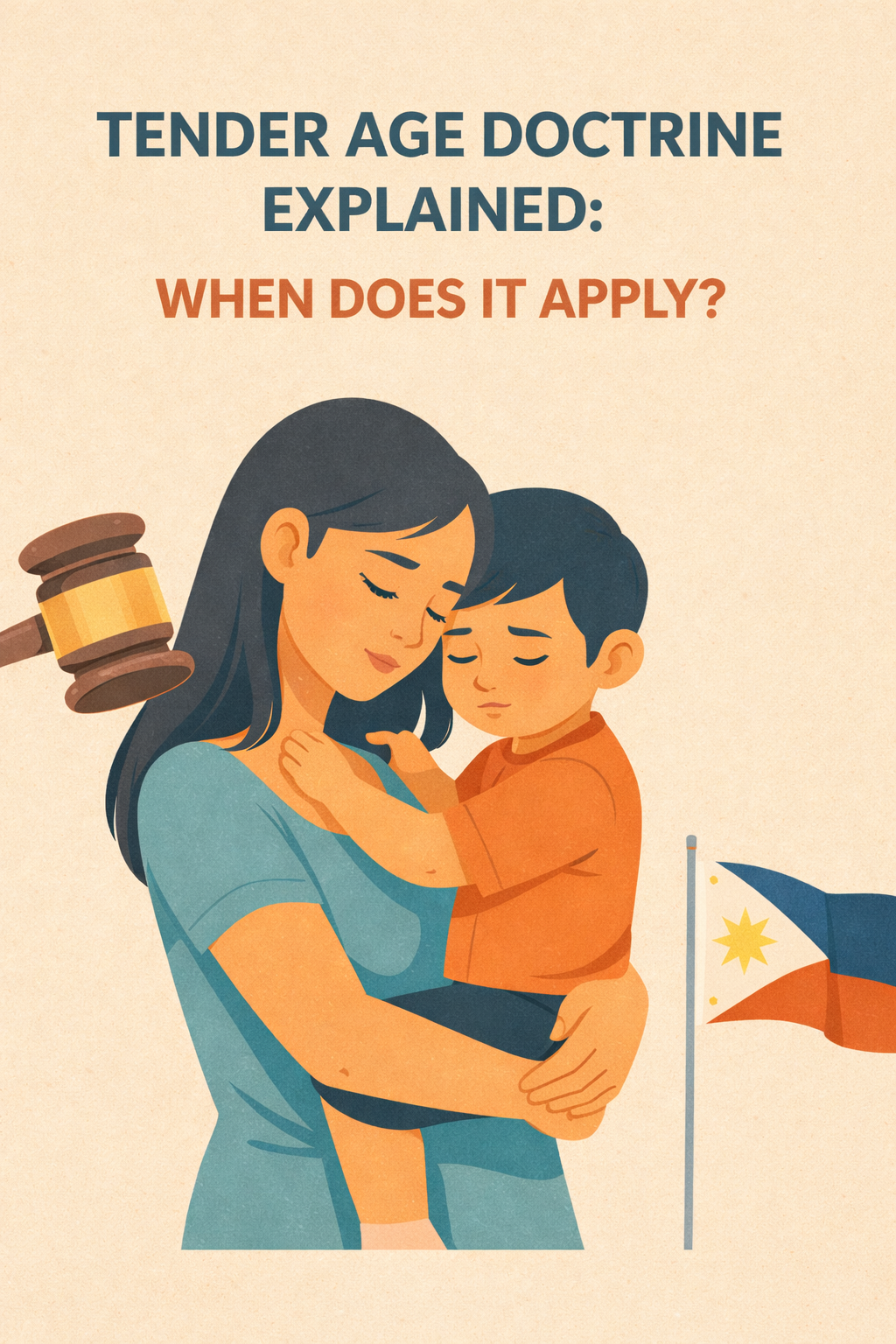
Tender Age Doctrine Explained: When Does it Apply?
One of the most common questions in child custody disputes is: Who gets custody of a young child? Under Philippine law, this is often answered through the Tender Age Doctrine, a long-standing legal principle designed to protect the best interests of young children.
This article explains what the Tender Age Doctrine is, when it applies, and when courts may depart from it, based on the Family Code and Supreme Court rulings.

Understanding Psychological Incapacity and the Declaration of Nullity of Marriage
Clients often come to us asking about annulment. In many cases, what they actually need is a petition for declaration of nullity of marriage. This is the legal remedy used when a marriage is considered void from the beginning. Several grounds can lead to nullity. Examples include a marriage contracted without a valid marriage license, a bigamous or polygamous marriage, or a marriage between close relatives who are prohibited from marrying.
Who Are Illegitimate Children Under Philippine Law?
Understanding who are considered illegitimate children in the Philippines is important for issues involving inheritance, child support, parental authority, and civil status. Philippine law draws a clear legal distinction between legitimate and illegitimate children, and this classification has concrete legal consequences.
This article explains who are illegitimate children under Philippine law, the legal basis for their classification, and how courts apply the rule in actual cases.
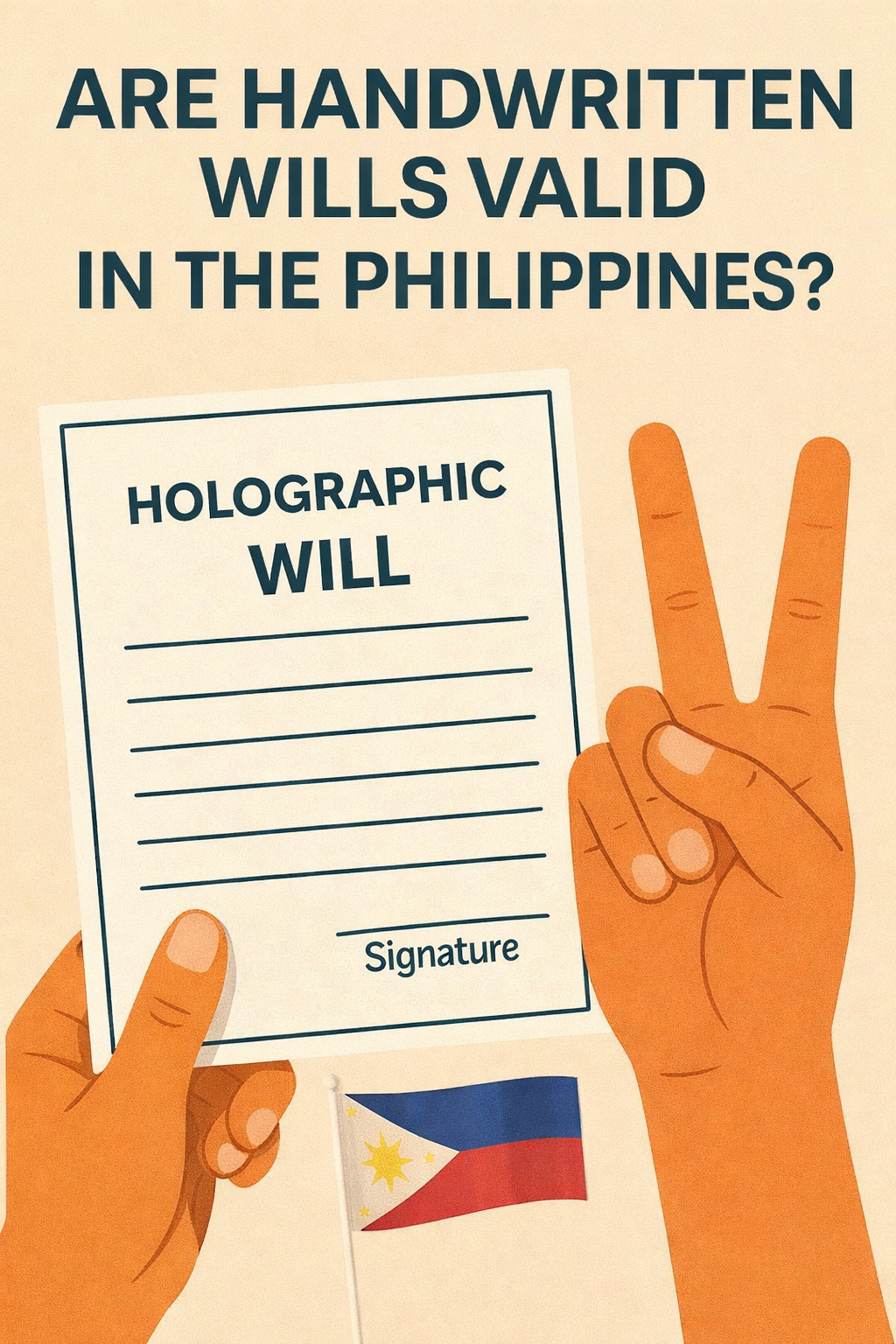
Are Handwritten Wills Valid in the Philippines?
A common question Filipinos ask when planning their estate is: Are handwritten wills valid in the Philippines? The short answer is yes, but only if they meet very specific legal requirements under Philippine law. A handwritten will is legally recognized as a holographic will, and the rules governing it are strict.
This article explains when a handwritten will is valid, what makes it invalid, and how courts treat handwritten wills during probate, based on the Civil Code and Supreme Court rulings.
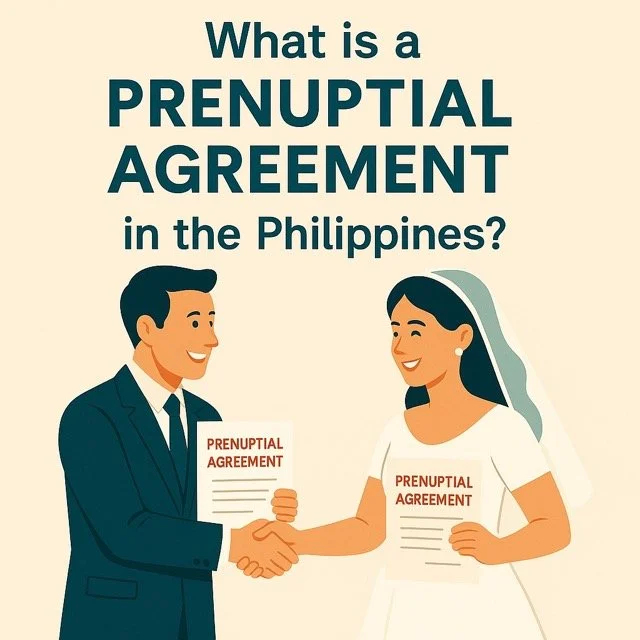
What is a Prenuptial Agreement in the Philippines?
A prenuptial agreement—also known as an ante-nuptial agreement or marriage settlement—is a legally binding contract entered into by future spouses before their marriage. Its primary purpose is to define the property regime that will govern their financial and property relations during the marriage. By setting the terms of ownership, management, and division of assets and debts, a prenuptial agreement provides clarity, security, and peace of mind to both parties.
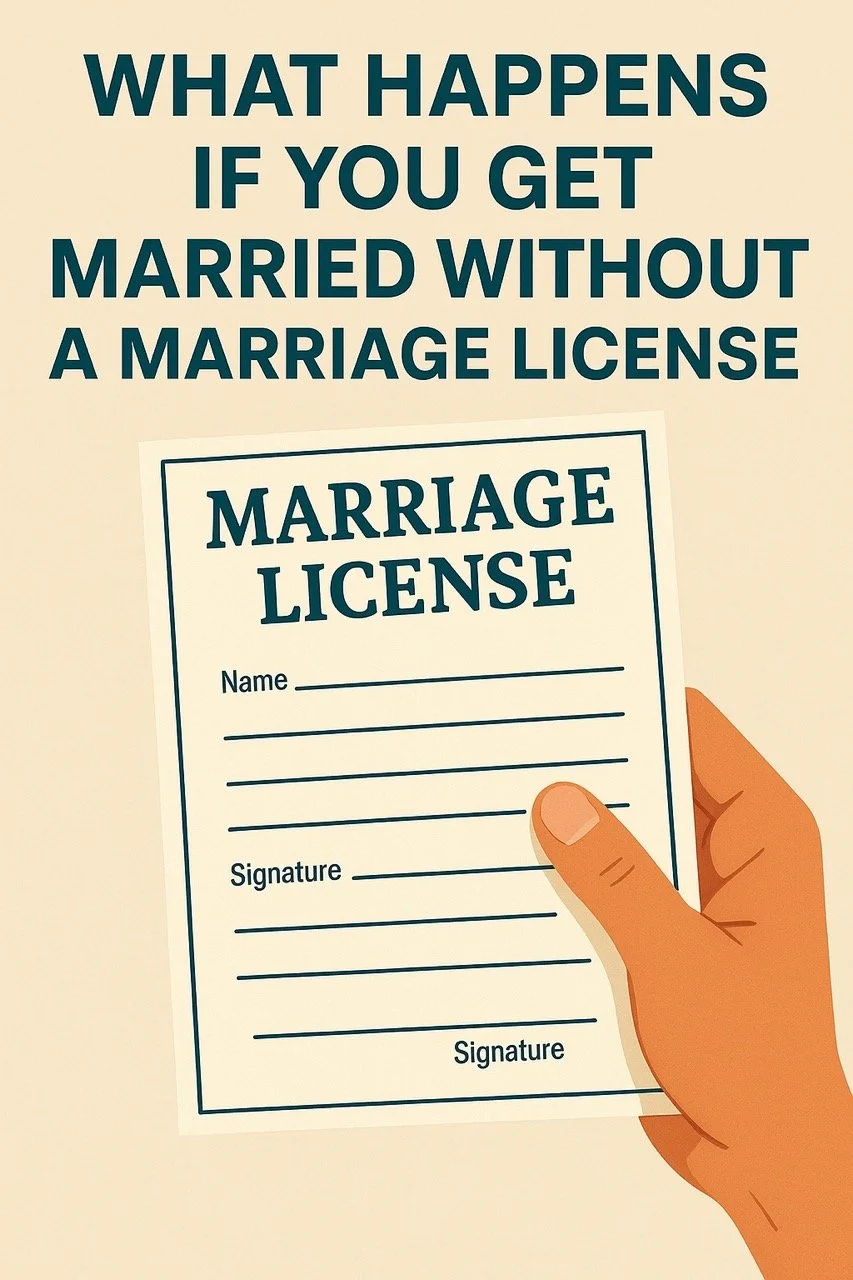
What Happens If You Get Married Without a Marriage License in the Philippines?
In the Philippines, marriage isn’t just a celebration of love—it’s a legal commitment that comes with specific requirements. One of the most crucial of these is the marriage license.
Many couples go through a religious or symbolic ceremony thinking they’re already legally married. But under the law, missing even one legal requirement—especially the marriage license—can mean the marriage is not valid at all.
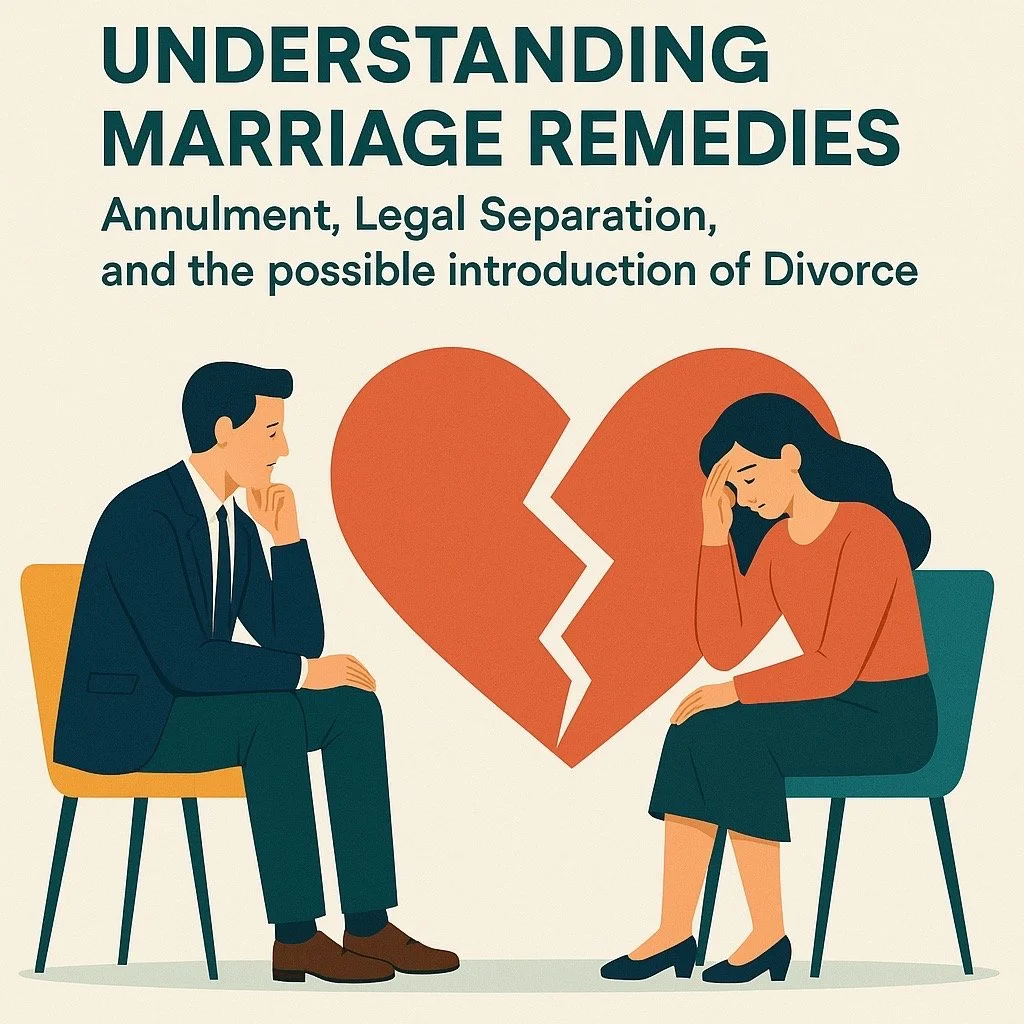
Annulment, Legal Separation, and the Possible Introduction of Divorce In the Philippines
At present, the law provides two main remedies for troubled marriages: annulment and legal separation. Both remedies recognize serious marital problems but address them in different ways.
There is also a proposed law — the Absolute Divorce Bill — which, if passed, will introduce divorce as an additional option. However, as of now, divorce is not yet legal in the Philippines.