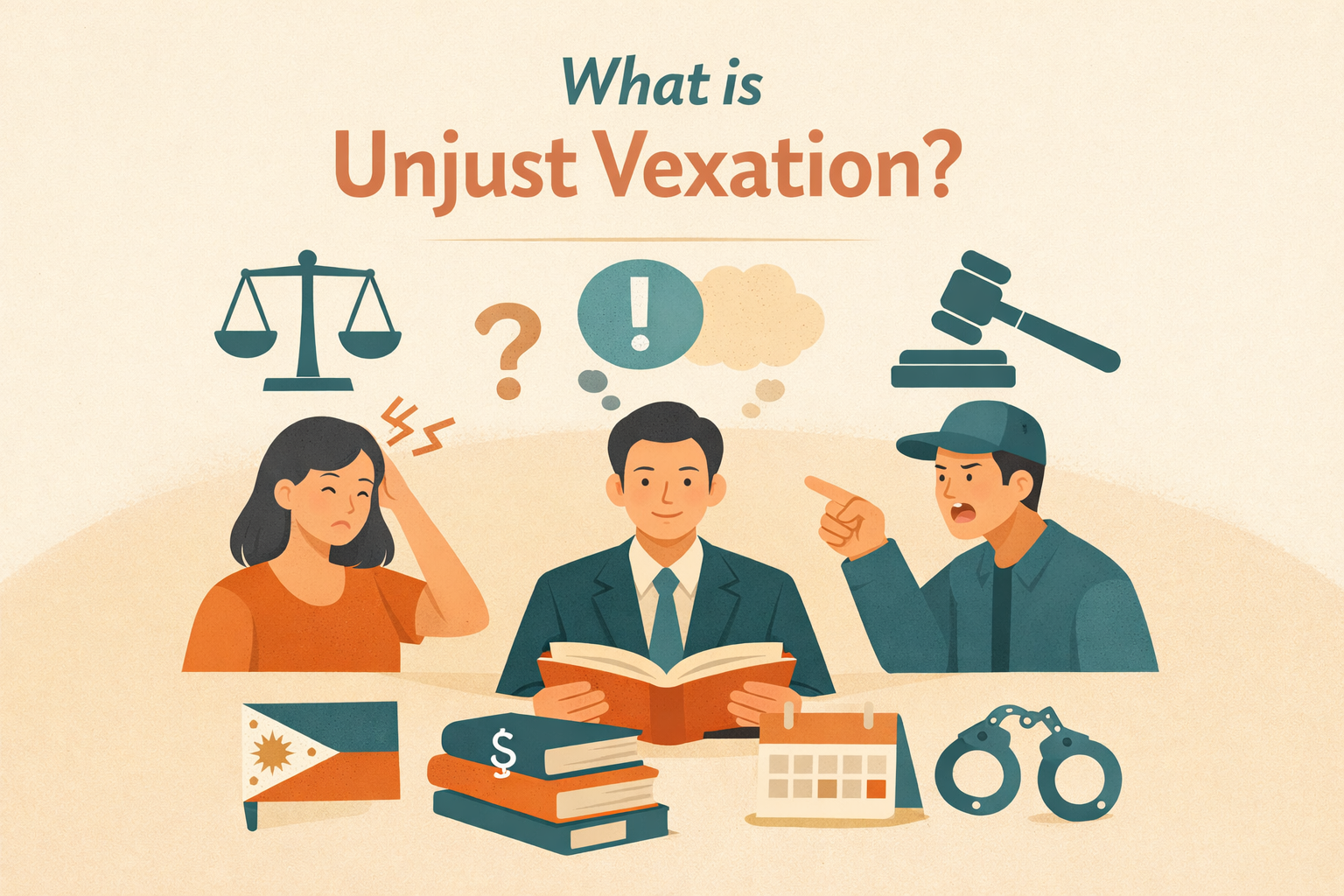
What Is Unjust Vexation? A Simple Guide Under Philippine Law
Clients often use the phrase “unjust vexation” to describe any situation where they feel harassed, annoyed, or disturbed. In Philippine criminal law, however, unjust vexation is not just a general complaint. It is a specific light offense defined and punished under the Revised Penal Code, with clear legal elements that must be proven before a person can be held criminally liable.
This article explains what unjust vexation is, how courts define it, what must be proven, and when conduct goes beyond unjust vexation into a more serious crime.
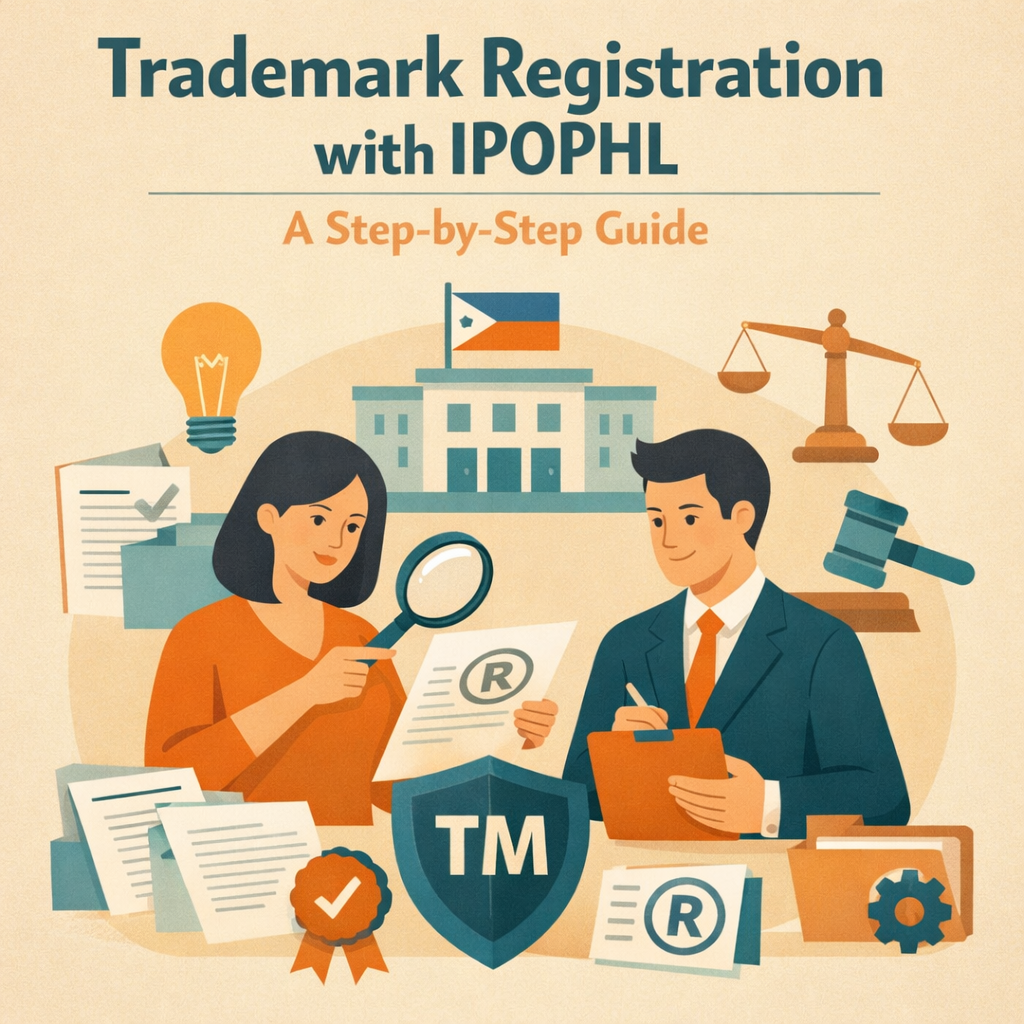
Trademark Registration with IPOPHL: A Step‑by‑Step Guide
In today’s market, your brand is often your most valuable asset. Protecting it through trademark registration with the Intellectual Property Office of the Philippines (IPOPHL) is no longer optional—it’s basic risk management.
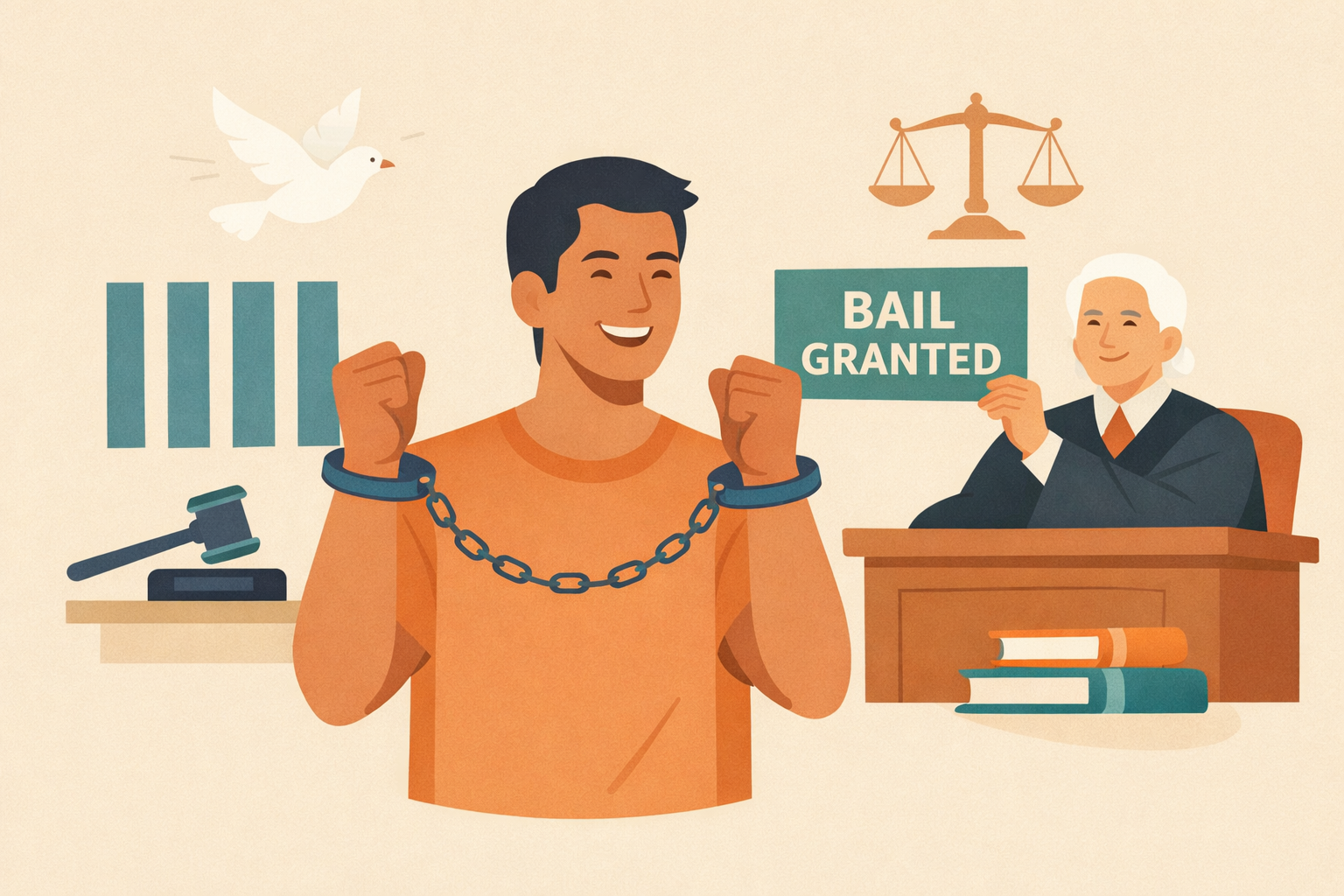
When Is Bail a Right in the Philippines?
One of the most common questions asked by accused persons and their families is whether bail can be demanded as a matter of right, or whether it depends on the discretion of the court. Under Philippine law, the answer depends primarily on (1) the stage of the case and (2) the penalty attached to the offense charged. Understanding this distinction is crucial, because it determines whether the judge is legally required to grant bail or must first evaluate the strength of the prosecution’s evidence.
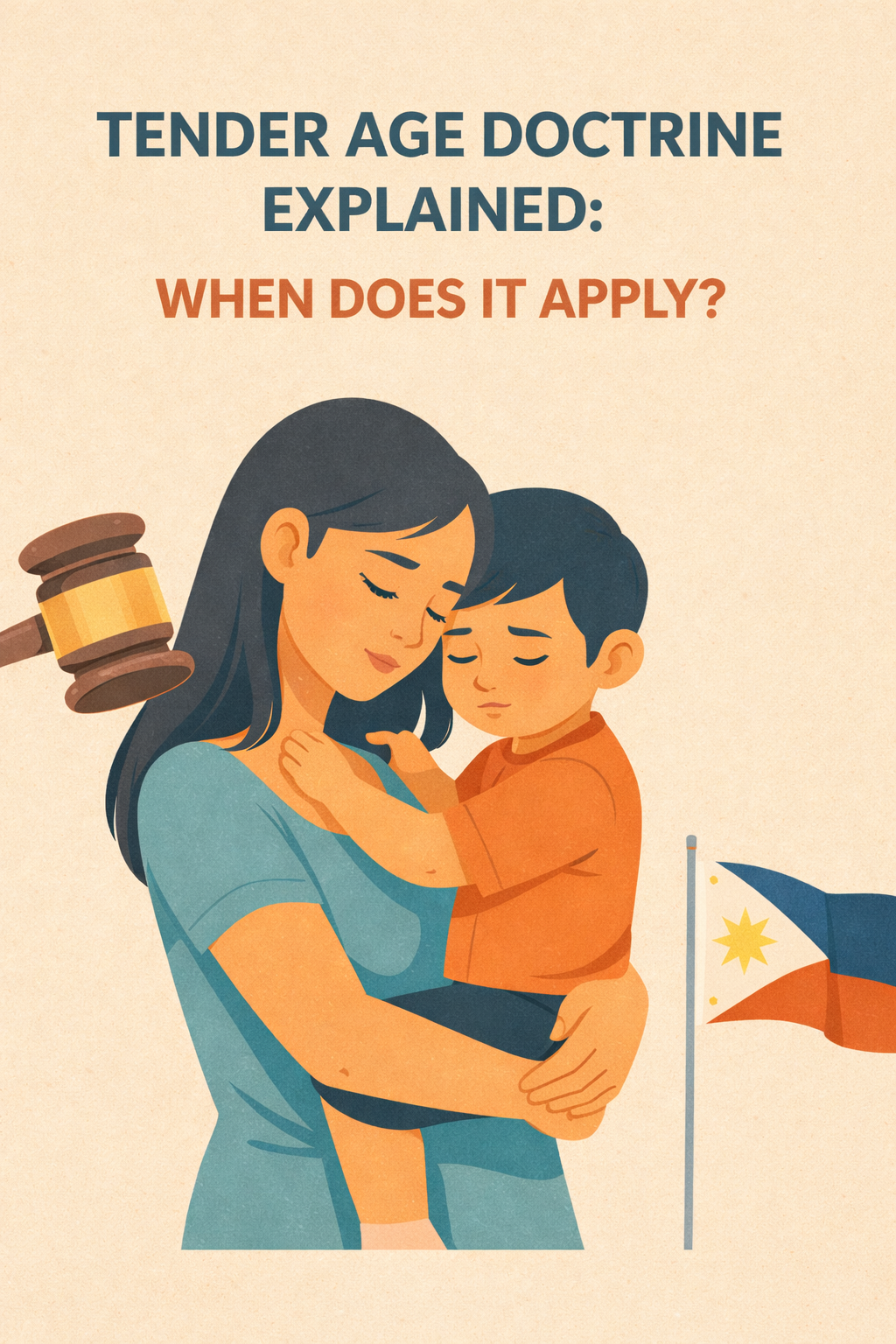
Tender Age Doctrine Explained: When Does it Apply?
One of the most common questions in child custody disputes is: Who gets custody of a young child? Under Philippine law, this is often answered through the Tender Age Doctrine, a long-standing legal principle designed to protect the best interests of young children.
This article explains what the Tender Age Doctrine is, when it applies, and when courts may depart from it, based on the Family Code and Supreme Court rulings.
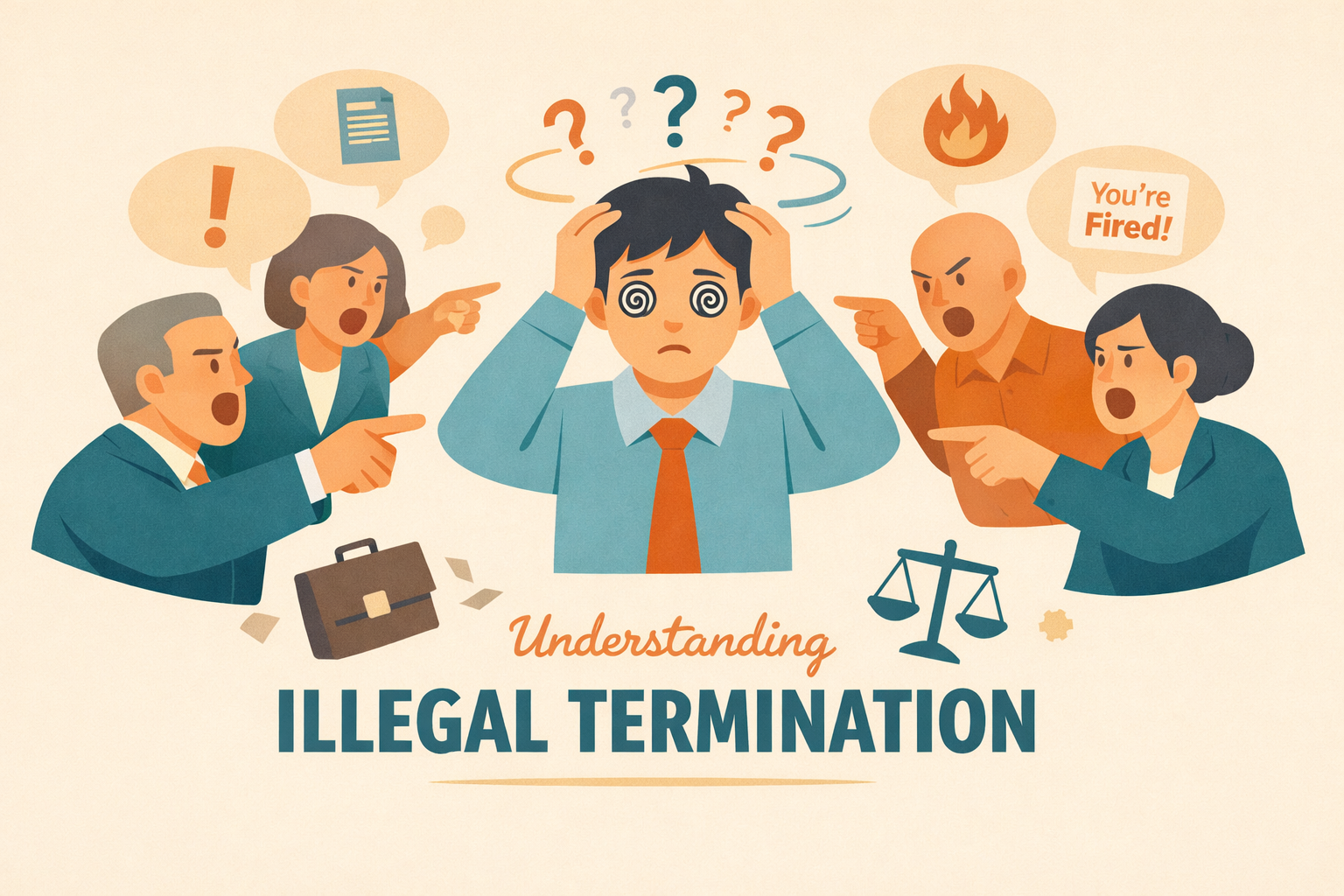
Understanding Illegal Termination
Losing your job can be one of the toughest experiences in life, and it’s even more frustrating if you feel you were unfairly dismissed. In the Philippines, workers have the right to security of tenure, meaning you can’t just be fired without a valid reason. If you believe you’ve been dismissed unjustly, your termination may be considered illegal under the law, and there are ways to challenge it. Let’s go through what illegal termination means, your rights, and what you can do if you find yourself in this situation.

Estafa: When a Deal Becomes a Crime
Estafa is a crime against property punished under Article 315 of the Revised Penal Code, as amended on the penalty thresholds by Republic Act No. 10951. Clients often use the word “estafa” to describe any situation where money was lost, a promise was broken, or a debt was not paid. In law, however, estafa is not a general label for disappointment or financial loss. It is a specific criminal offense that requires proof of a particular mode of fraud or abuse of confidence, plus damage. The practical importance of this is straightforward: prosecutors and courts do not convict based on suspicion or unfairness. They convict when the facts satisfy the legal elements of the correct paragraph under Article 315.

Notarization of Documents: Common Questions Answered
Clients often ask whether notarization is really necessary or whether it is merely a formality added at the end of a transaction. The truth is that notarization has serious legal consequences. Understanding what notarization does, what it proves, and what it does not prove can help you protect your rights and avoid disputes later on.
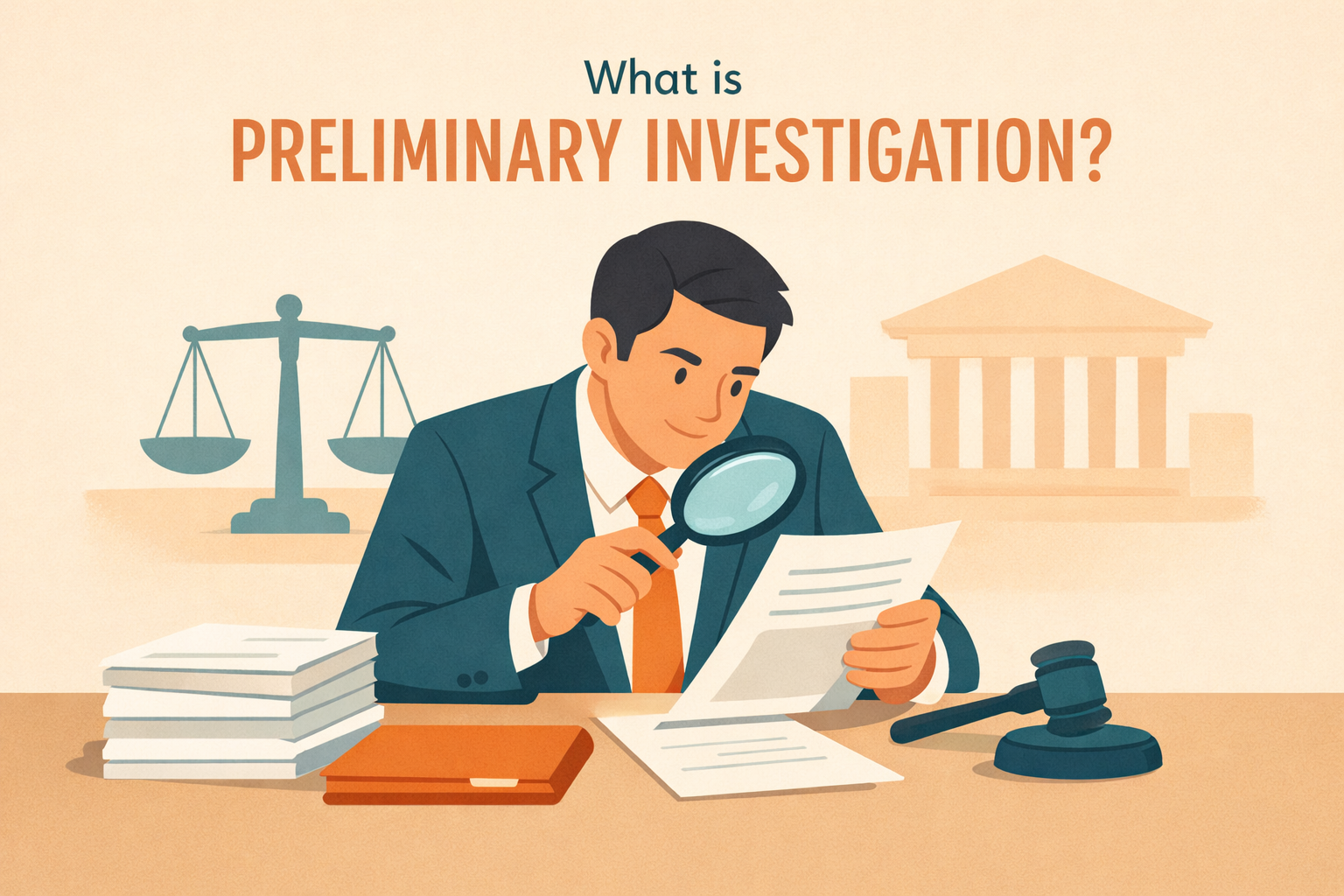
What Is Preliminary Investigation in the Philippines?
A preliminary investigation is a critical stage in Philippine criminal procedure. It is the process conducted by a prosecutor to determine whether a criminal case should be filed in court. Contrary to popular belief, it is not a trial and does not decide guilt or innocence. Instead, it acts as a legal filter to ensure that only cases supported by sufficient evidence proceed to trial.
Understanding what a preliminary investigation is essential for both complainants and respondents in criminal cases.

Understanding Psychological Incapacity and the Declaration of Nullity of Marriage
Clients often come to us asking about annulment. In many cases, what they actually need is a petition for declaration of nullity of marriage. This is the legal remedy used when a marriage is considered void from the beginning. Several grounds can lead to nullity. Examples include a marriage contracted without a valid marriage license, a bigamous or polygamous marriage, or a marriage between close relatives who are prohibited from marrying.

Before You File: Understanding Annulment Under Philippine Law
Annulment in Philippine law sets aside a voidable marriage for specific, narrow grounds and within strict time limits. It is different from a declaration of nullity, which recognizes a marriage as void from the start.
Voidable marriages under Article 45 of the Family Code are considered valid and produces all its civil effects until it is set aside by a competent court in an action for annulment. It is capable of ratification, and cannot be assailed collaterally except in a direct proceeding.